
Bringing Hope and
Transforming Lives

Ordinary people.
extraordinary response.
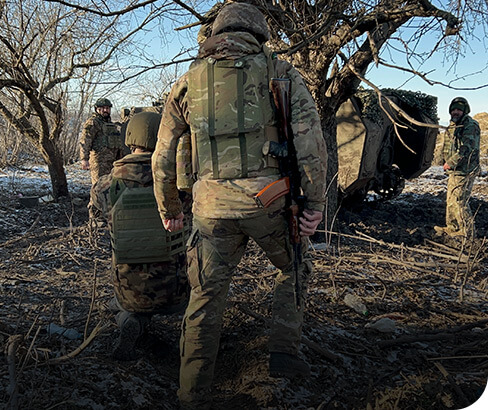
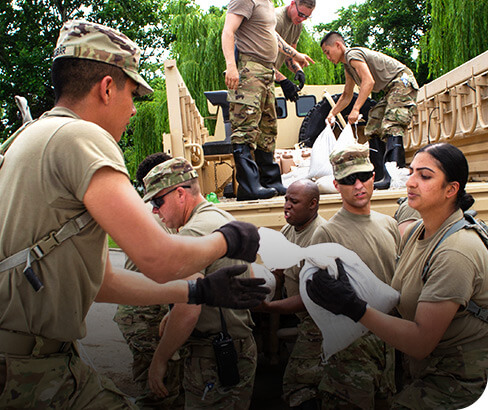
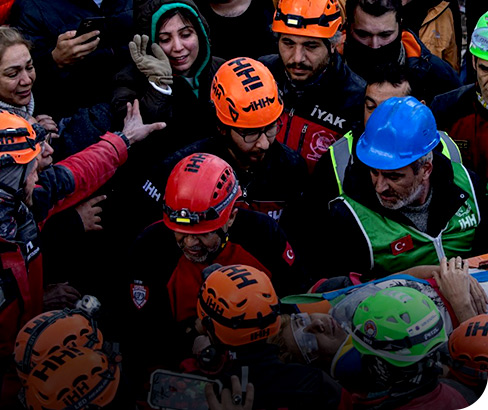
Our vision is to train and mobilize heroic, compassion-driven volunteers to respond swiftly to crises and disasters around the world. CRI Responders deploy on global relief operations to meet urgent physical needs while ministering to the emotional and spiritual wounds of those affected—bringing hope, healing, and restoration in times of great distress.
Who
We Are
Founders
Sean Malone - CEO
Sean Malone, with a background in the motion picture industry, witnessed firsthand the critical need for effective crisis response following the events of 9/11. Later, his experience in developing relief efforts after Hurricane Katrina solidified his commitment to making a meaningful impact during times of crisis. Over the following two decades, he persevered to meet the needs of the hurting around the world. His heart is to train and send out servant-hearted people who are willing to be feet on the ground and bring hope wherever people feel broken and lost.
In 2007, Sean and Laura Malone founded Crisis Response International (CRI) as a registered 501(c)(3) non-profit organization, marking a significant step towards realizing their vision. CRI has trained and mobilized volunteers and full-time crisis response missionaries, equipping them with the skills and resilience necessary to navigate the most challenging crisis and disaster situations worldwide.


Laura Malone - executive director
Laura Malone has spent two decades coaching and mentoring individuals to know God and make Him known. She has a strong passion for equipping, supporting, and releasing people into their identities and callings. Beyond her leadership in CRI, Laura is a devoted wife, mom, and homeschooler, balancing family life with her professional endeavors. As an entrepreneur, speaker, and trainer, Laura has a knack for inspiring others to step into their calling, often sharing her expertise on leadership, crisis management, and personal growth.
Her vision and tireless dedication have made her a sought-after life and business coach, helping others navigate their personal and professional lives with clarity and purpose. Laura's unique combination of practical experience, heartfelt compassion, and visionary leadership has positioned her as a trusted voice in both the crisis response and personal development arenas.
Board Members

Garth Schultheis is happily married to his wife Kirsten Schultheis for 29 years, has 2 children, Brooke Schultheis Searle and Skylar Schultheis. A son in law, Riley Searle, a grandson, Sören, 3 years old and a granddaughter, Avery, due in July 2023.

Karen and her husband Mike have been with CRI since 2015. Karen was filled with the Holy Spirit in 1971 and she and Mike considered themselves missionaries while he served 23 years in the military. While stationed at Ft. Riley, Karen was the founder/director of Life Choice Ministries (a pregnancy crisis center) which is still in operation today.

Dr. Michael Hutchings has 35 years of pastoral, church planting and “pastoring pastors” experience in a variety of church cultures, including Baptist, Vineyard, Willow Creek and Mennonite. In Peoria, Illinois, He is a leadership mentor, a pastor’s coach and is an advisor to a number of leadership teams of ministries and churches.

Tracy King is married to Kris King his partner in life and business! Together, they have 5 children and 14 grandchildren and 1 great-grandchild! Tracy has a true entrepreneurial spirit with 19 years of Real Estate background, and with Kris, they own multiple businesses in the East Tennessee area. They live out their mission statement, “ Impacting Others to Prosper” 1 John 3:2. Tracy has many years of serving on non-profit boards and brings various experiences to CRI.

The
Beginning

In September 2001, Sean Malone was visiting family in New York when the 9/11 attacks on the World Trade Center occurred. As a former film technician, Sean had access to lighting equipment, which he quickly brought to Ground Zero to aid the search and rescue operations.
It was there, in the heart of devastation, that Sean felt a clear calling to disaster response—a moment that would later inspire the vision for Crisis Response International (CRI). A few years later, Sean moved his family to New Orleans for a new venture with Paramount Pictures. But soon after their arrival, Hurricane Katrina hit. Though Sean and his family evacuated safely, they returned shortly after the storm to serve, hosting volunteers, preparing meals, and offering support to the affected community.
Following Hurricane Katrina, the Malone family relocated to Kansas City, where the vision for CRI was fully realized. Sean, now the Founder and Director of Crisis Response International, leads the organization in bringing the gospel to some of the most devastated and broken places in the world.
Beginning
The
Mission

Founded in 2007, Crisis Response International (CRI) exists to bring hope, relief, and the love of God to those impacted by natural disasters and crises. In CRI, we believe in combining practical disaster response with prayer and worship.
Our mission is to train and equip churches and individuals to respond effectively to the physical, spiritual, and emotional needs that arise in times of crisis. We offer a wide range of resources, including live training events, online programs, and hands-on deployment opportunities that teach vital skills for disaster relief, chaplaincy, and crisis ministry. CRI’s efforts empower believers to be the hands and feet of Christ, whether in their local communities or on the frontlines of international conflicts.
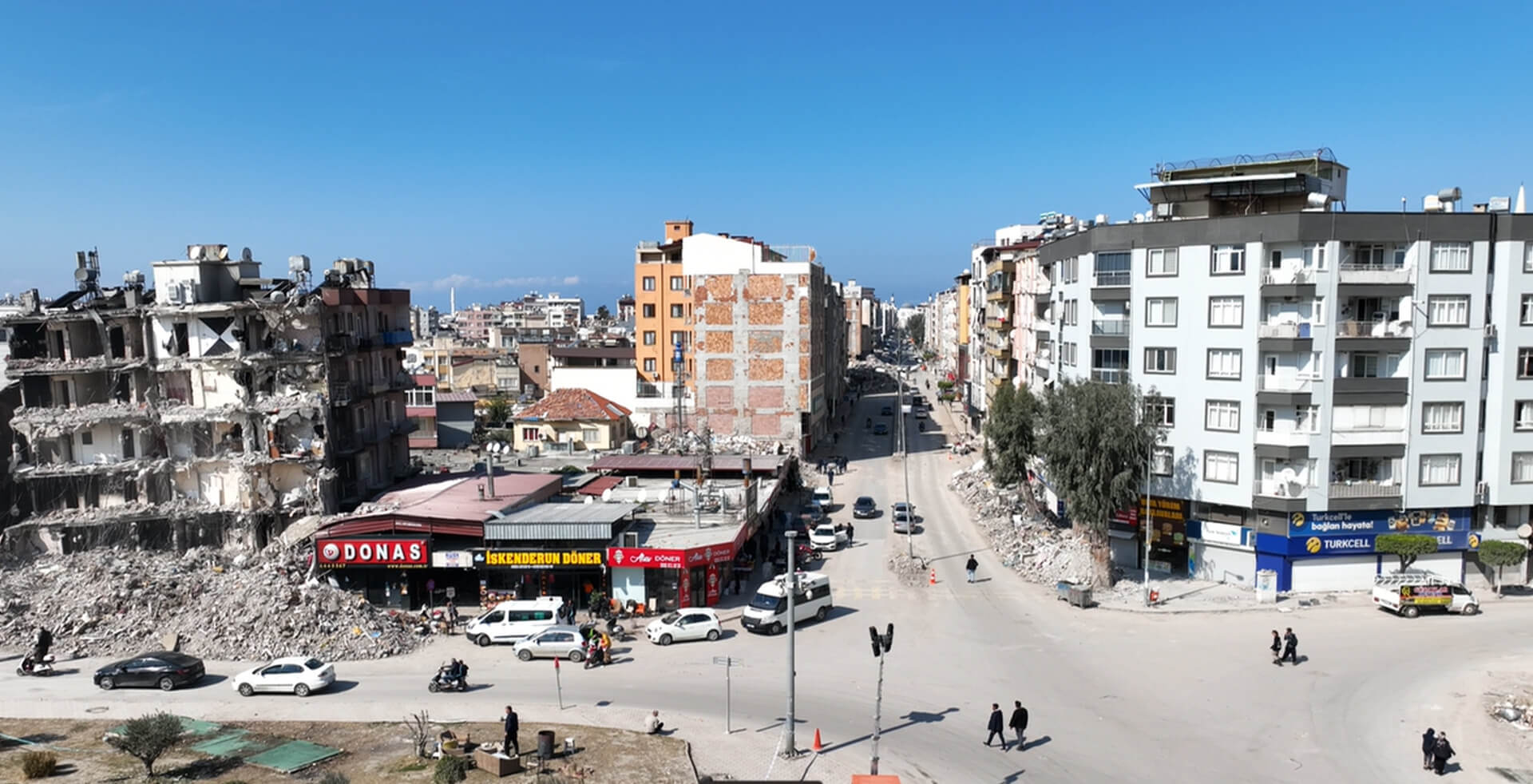
Our deployment operations are designed to meet the urgent needs of those affected by crises, whether responding to hurricanes, earthquakes, or humanitarian emergencies in war zones. CRI Responders go where the need is greatest, offering food, water, resources, and the hope of the gospel in the midst of chaos.
Mission
Our
Commitment

CRI has trained nearly 20,000 volunteer responders and missionaries, equipping them to bring light to the darkest moments. Under Sean Malone’s leadership, CRI has become a vital force in disaster relief and crisis response, committed to serving communities in their most challenging times.
We invite you to partner with us by hosting a live training event or joining us in deployment. Together, we can make a profound impact on communities around the world, offering hope and relief in the face of disaster. Your partnership plays a crucial role in bringing the light of Christ to those in need.
Commitment